Hasene

Votive Aqiqah Thanksgiving Sacrifice

By sacrificing animals for vows, aqiqah (a newborn), and thanksgiving, and distributing the meat to those in need, both an act of worship is performed and the needs of the needy are met. According to data from the United Nations Food and Agriculture Organization, the annual per capita meat consumption is...

  • 4 kg in Bangladesh

  • 4.4 kg in India

  • 6.3 kg in Sri Lanka

  • 7.8 kg in Mozambique

  • 8.1 kg in Gambia

  • 8.5 kg in Ethiopia

  • 8.8 kg in Nigeria

  • In Tanzania, it is 9.6 kg.

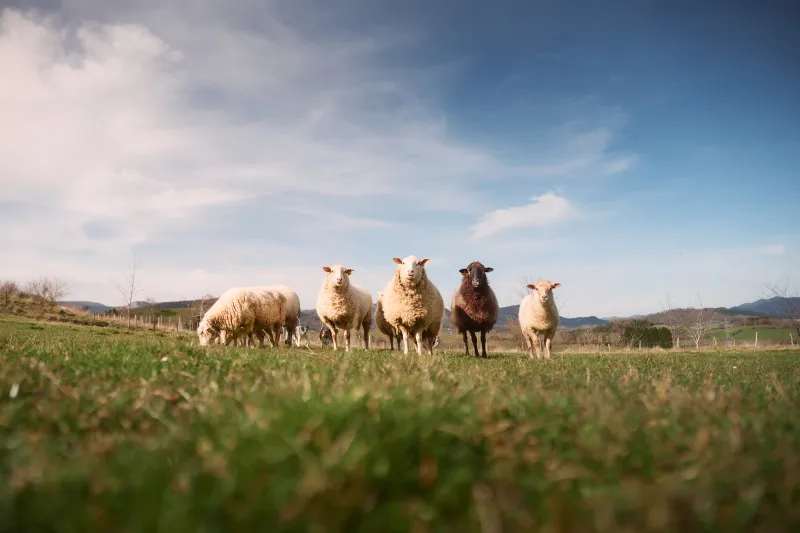
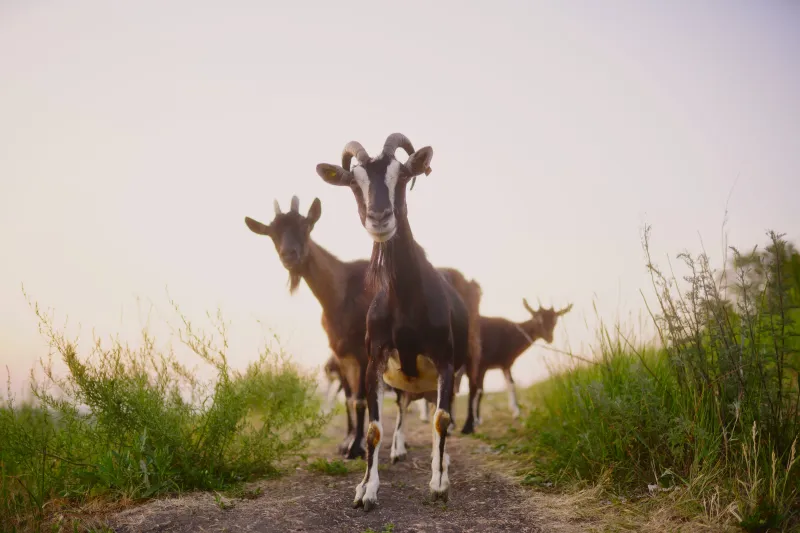
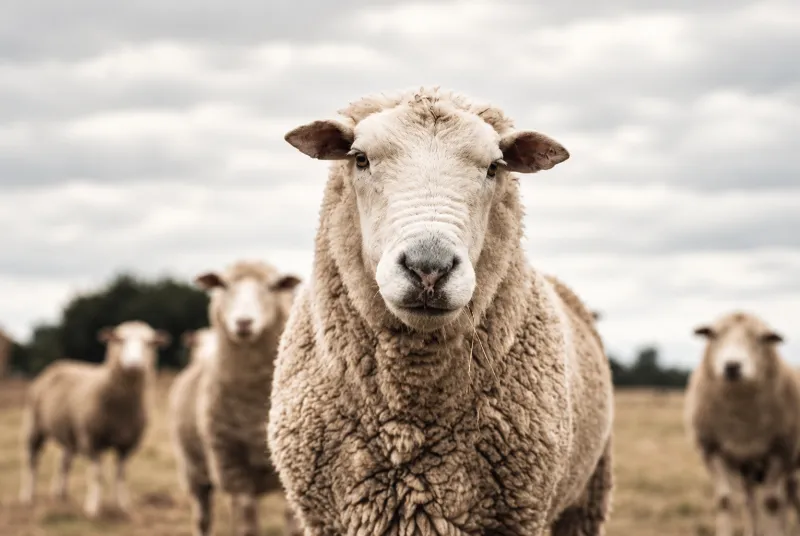
With every donation made for your vows, aqiqah, and thanksgiving sacrifices, we purchase sacrificial animals which we slaughter in various countries we visit periodically. The meat is then distributed to those in need, orphans, and students in boarding schools. The slaughter of each donated vow (aqiqah or thanksgiving) sacrifice is carried out collectively.


Frequently Asked Questions

A vow is making a promise to God to perform a permissible act, even if one is not obligated to do so, solely for the sake of God. Another definition of a vow is making a promise to God to make an action an obligation. Vows made for the sake of God are valid in the sight of God and must be fulfilled.

The first hairs on a newborn baby's head are called aqiqah. The sacrifice offered to Allah seven days after the child's birth, after partially or completely shaving the hair on the child's head and naming the child, is also called the aqiqah sacrifice. This sacrifice is also called the "nesike" sacrifice. The aqiqah sacrifice is a practice established by the Sunnah. Aisha (ra) narrates: "The Messenger of Allah (sav) commanded us to sacrifice two sheep for male children and one sheep for female children as 'aqiqah'." (Ibn Majah, Sunan, Hadith No: 3163 and 1515). Again, Aisha (ra) narrates: "The Prophet (sav) sacrificed aqiqah for his grandsons Hasan and Husayn on the seventh day after their births and named them." (Tecrid-i Sarih Translation, XI, 401) According to the Hanafi school of thought, the aqiqah sacrifice is recommended (mendub). According to the other three great imams, it is a sunnah (recommended practice). The aqiqah sacrifice can be performed from the day the child is born until puberty. However, it is more preferable to perform it on the seventh day. On the seventh day, the child is named, and the hair on their head is cut, and gold or silver equivalent to the weight of the hair is given as charity. The conditions required for the animal to be sacrificed as an aqiqah sacrifice are the same as those required for other sacrifices. The person who performs the aqiqah sacrifice can eat the meat, and the household can also benefit from it. A portion of it is given as charity to those in need.

We periodically visit countries where we have water wells and orphans. During these visits, the donated sacrificial animals are distributed to orphans, fatherless children, and those in need.

The vowed offering may sometimes be a sacrifice. Two important points are crucial regarding a vowed sacrifice: 1) The vowed sacrifice must be a four-legged animal such as sheep, cattle, or camels, similar to the sacrifices offered during Eid al-Adha (Udhiyya) and Hajj (Hajj). 2) Neither the person who made the vow, nor their ancestors (parents, grandparents, and above), nor their descendants (sons, daughters, grandchildren, and below) may eat the meat of the vowed sacrifice. The meat of the vowed sacrifice must be entirely distributed to the poor. If the person who offered the vowed sacrifice, or those forbidden from eating from it, consume the meat, they must give the equivalent value of the amount they ate to the poor.

A sacrifice offered to express gratitude to God on any occasion is called a thank-offering. A person may offer a thank-offering because they have achieved a desired goal or received a blessing. Such a sacrifice is not a vow sacrifice. Therefore, offering a thank-offering is not obligatory.

Notification that the donation has been processed is sent via SMS to all donors who provided their contact information.

On our website, under the "Donate" section, select the "Sacrifice" option. Within this section, choose the appropriate sacrifice from the options: Votive, Aqiqah, or Thanksgiving sacrifices, and specify the amount you wish to donate. Then, press the "Continue" button, and on the next page, fill in your information completely to complete your payment.

Vow
Victim from €120

Vow

A votive sacrifice is an offering made to God as a thank-you after a wish is made or fulfilled. Hasene organizes the distribution of these votive sacrifices to needy communities.

More details Donate now
Akika
Victim from €120

Akika

With every donation made for Aqiqah sacrifices, we purchase sacrificial animals and distribute them to those in need.

More details Donate now
Thanks
Victim from €120

Thanks

A thank-offering sacrifice is a sacrifice offered by Muslims to express their gratitude for a blessing or favor from God. Hasene distributes these sacrifices to those in need.

More details Donate now
Charity Sacrifice
Victim from €120

Charity Sacrifice

In the context of sacrifice, charity refers to the act of slaughtering an animal solely for the sake of Allah, without any specific intention or obligation, and distributing it to those in need.

More details Donate now
Healing Sacrifice
Victim from €120

Healing Sacrifice

A sacrifice for healing is an offering made as a prayer and expression of gratitude for healing from illnesses or for a loved one to regain their health. Hasene distributes these sacrifices to those in need.

More details Donate now

Necessary

These cookies are required to run the website and cannot be turned off.

  • Session cookie (language, basket, login)
  • CSRF cookie (protects forms)
  • hasene_consent (stores this choice for 12 months)

Videos, maps and audio from third parties (such as YouTube, Vimeo, Google Maps, OpenStreetMap, SoundCloud, Spotify). Loading them sends data, including your IP address, to these providers.

Umami measures page views without cookies, based on our legitimate interest (Art. 6(1)(f) GDPR). If you turn the measurement off, this is stored in your browser.